How to Use Dried Berries in Everyday Meals
Learn how to use dried berries in smoothies, meals, and snacks for naturally sweet flavor, simple ingredients, and everyday nutrient support with ease.
A handful of dried berries can turn plain oatmeal into a breakfast you look forward to, or give a simple trail mix a bright, naturally sweet finish. Knowing how to use dried berries is less about complicated recipes and more about choosing clean ingredients and adding them where they make everyday food more satisfying.
Dried blueberries, cranberries, goji berries, mulberries, strawberries, and raspberries offer concentrated fruit flavor in a pantry-friendly form. They are easy to keep on hand, easy to portion, and far more versatile than a snack drawer staple. The key is to use them with intention: pair their sweetness with protein, fiber, and healthy fats, and check the ingredient label before you buy.
How to Use Dried Berries for Better Breakfasts
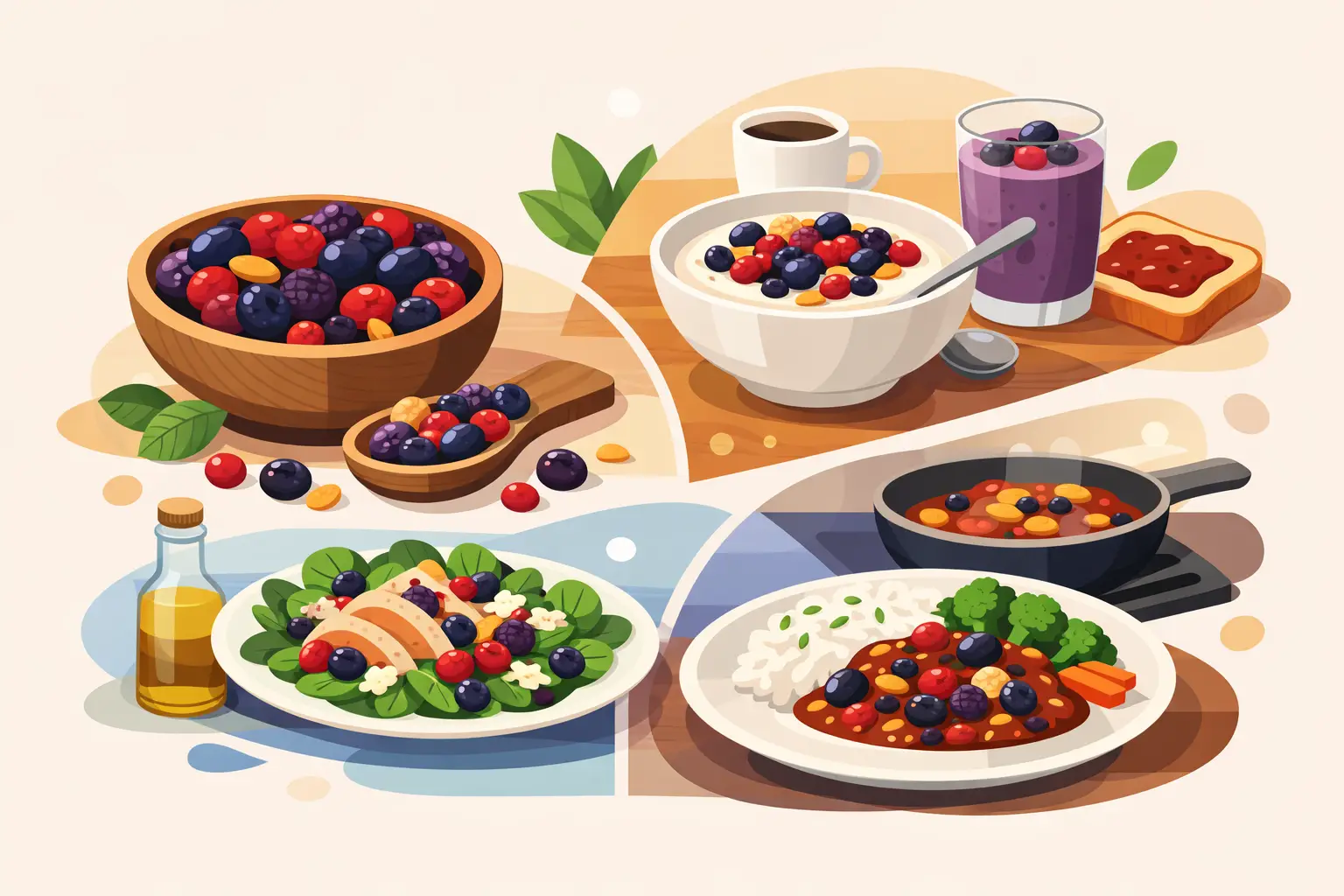
Breakfast is one of the easiest places to make dried berries part of a consistent wellness routine. Stir a small handful into overnight oats, warm oatmeal, chia pudding, or plain yogurt. The berries bring color and chew, while the base provides staying power.
For a quick breakfast bowl, combine unsweetened yogurt with dried blueberries or raspberries, pumpkin seeds, and a spoonful of nut butter. If the berries are firm, let them sit in the yogurt for five to 10 minutes. They will soften slightly and release more flavor without becoming mushy.
Dried berries also work beautifully in homemade granola. Fold them in after baking rather than before. This keeps delicate berries from becoming overly dry or scorched in the oven. Pair them with oats, seeds, unsweetened coconut, cinnamon, and a light coating of maple syrup or date paste if you want a more naturally sweet batch.
Add Them to Smoothies, With One Small Adjustment
Dried berries can bring a concentrated fruit note to smoothies, especially when fresh produce is limited. Since they absorb liquid, soak them first in water, tea, or milk for about 10 minutes. Then blend them with a banana, leafy greens, yogurt, protein powder, or a clean single-ingredient fruit or vegetable powder.
Use a modest portion, usually one to two tablespoons, because dried fruit has less water than fresh fruit. A little goes a long way. For a berry-forward smoothie that is not overly sweet, use dried berries alongside frozen cauliflower, spinach, plain Greek yogurt, and unsweetened milk.
Make Snacks That Balance Sweetness
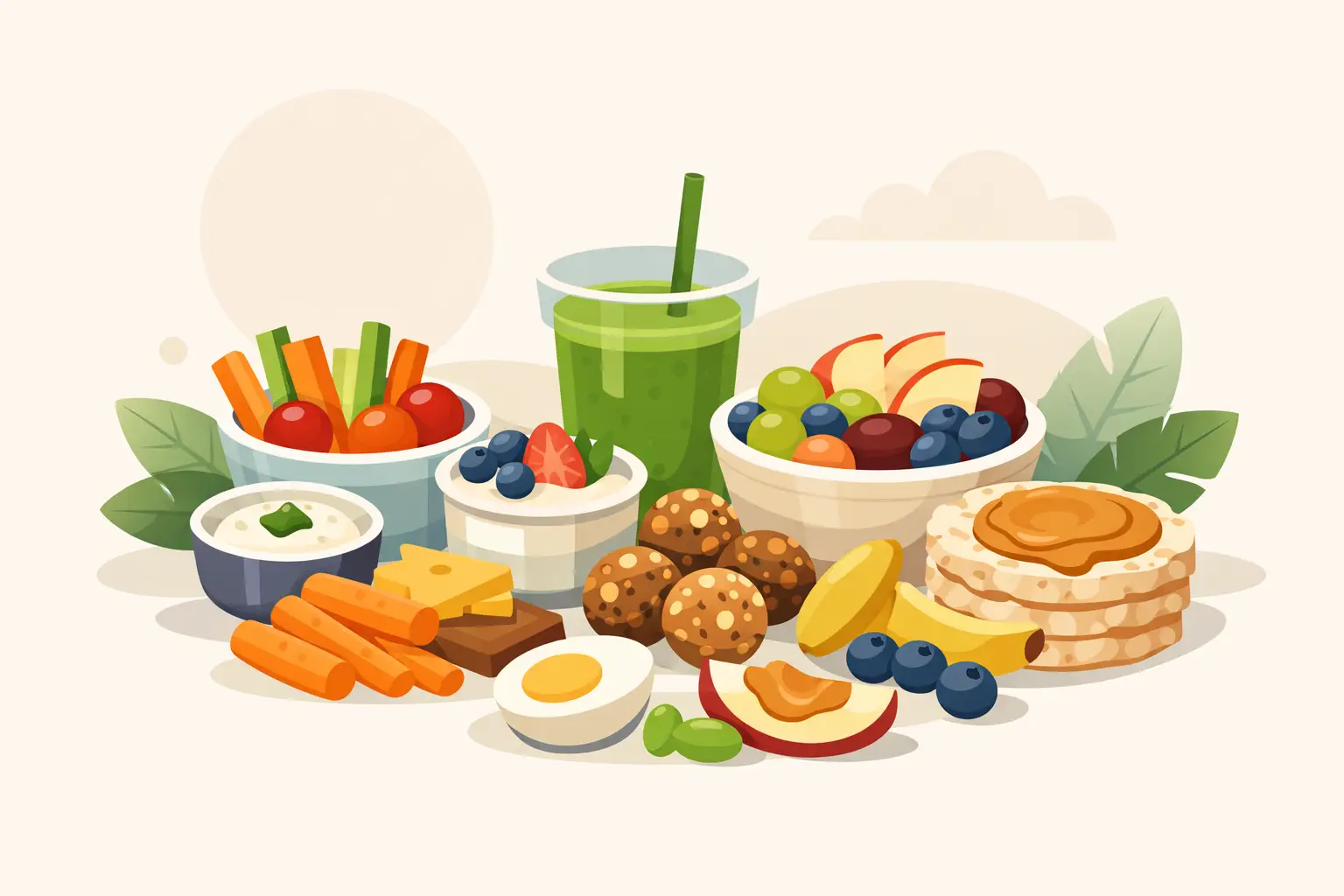
Dried berries are naturally convenient, but eating them straight from the bag can make it easy to lose track of portions. Build a snack around them instead. A small amount of dried fruit paired with nuts, seeds, or cheese can feel more balanced and satisfying than fruit alone.
Try mixing dried cranberries with walnuts and roasted chickpeas, or combine dried mulberries with almonds, cacao nibs, and sunflower seeds. For kids, add a few dried berries to a snack box with apple slices, whole-grain crackers, and a protein-rich dip. The goal is not to make dried fruit feel restrictive. It is to make a simple snack work harder for your day.
If you are active or regularly need an afternoon energy boost, create small pre-portioned trail mix jars. This helps keep the convenience while avoiding the oversized handful that often comes with snacking from a large package.
Rehydrate Dried Berries for Cooking and Baking
Some dried berries are soft enough to use immediately. Others, especially berries dried without added oils or sweeteners, benefit from a quick soak. Place them in a bowl and cover with warm water, herbal tea, or fresh orange juice for 10 to 20 minutes. Drain before using, reserving the soaking liquid for smoothies or oatmeal if desired.
Rehydrated berries are especially good in muffins, quick breads, pancakes, and baked oatmeal. They distribute more evenly through batter and are less likely to pull moisture from the finished bake. For savory dishes, use tart dried cranberries or currants in grain salads with quinoa, wild rice, arugula, roasted squash, and a simple olive oil dressing.
You can also simmer dried berries into a fast compote. Add them to a small saucepan with water, a squeeze of lemon, and cinnamon. Cook until thick and spoonable. Use it on yogurt, toast, oatmeal, or alongside chia pudding. There is usually no need to add sugar when the berries are naturally sweet, though tart varieties may need a little help depending on your taste.
Choose Dried Berries With Nothing to Hide
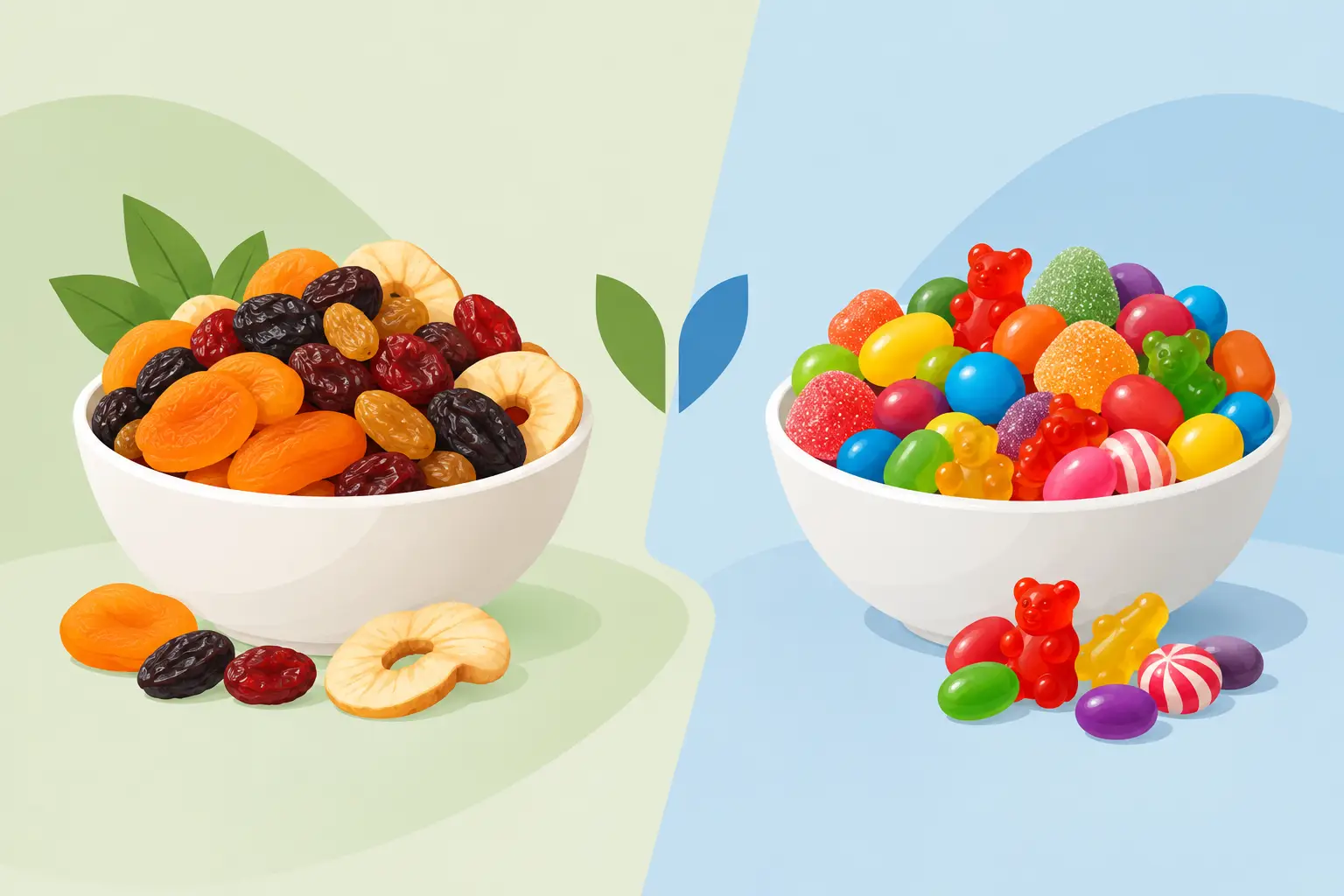
Not all dried berries are created equal. Many packaged varieties contain added sugar, oils, artificial colors, preservatives, or flavors that mask the fruit itself. Cranberries are a common example because their natural tartness often leads brands to add sweeteners.
Read the ingredient list, not just the front of the package. The simplest choice is often dried fruit with one ingredient: the fruit. Some berries may include a small amount of apple juice concentrate for sweetness, which can fit some routines, but it is helpful to know exactly what you are getting.
Look for products that are transparent about processing and storage. Low-temperature dehydration can help retain the fruit's character while creating a shelf-stable ingredient that fits real life. At Just Naturals Superfoods, clean-label choices are built around that same principle: straightforward ingredients, functional nutrition, and nothing unnecessary.
Use the Right Berry for the Flavor You Want
Different dried berries behave differently in recipes. Knowing their flavor profile makes your meals more interesting and helps you reach for the right bag.
- Dried blueberries are mellow and naturally sweet. Use them in oatmeal, granola, muffins, and yogurt bowls.
- Dried cranberries are tangy and bright. They work well in salads, grain dishes, stuffing, and nut mixes.
- Goji berries have a mildly sweet, earthy taste and a chewy texture. Try them in tea, trail mix, or warm cereal.
- Mulberries are delicate, honey-like, and easy to snack on. They pair well with nuts, coconut, and cacao.
- Dried strawberries or raspberries offer bold fruit flavor. Crush them over yogurt, blend them into smoothies, or fold them into energy bites.
There is no single best choice. It depends on whether you want sweetness, tartness, a soft texture, or a more concentrated berry flavor.
Smart Portions for Everyday Use
Dried fruit is fruit with much of the water removed, so its natural sugars and calories are more concentrated by volume. For most people, a small handful or roughly one-quarter cup is a useful starting point. If you are adding dried berries to oatmeal, a smoothie, or a recipe with several servings, one to two tablespoons may be plenty.
People managing blood sugar may prefer to enjoy dried berries alongside a meal or snack containing protein and fat rather than by themselves. If you have allergies, digestive sensitivities, or a health condition that affects your diet, check with a qualified healthcare professional for personalized guidance.
Storage matters, too. Keep dried berries in a cool, dry place in a tightly sealed container. If you buy in larger quantities, refrigerating or freezing part of the package can help preserve freshness and prevent clumping, especially in warm or humid kitchens.
A Small Pantry Habit With Big Everyday Potential
Keep one or two varieties of dried berries where you can see them, not buried behind specialty ingredients. Add them to tomorrow morning's oats, pack them with nuts for the afternoon, or soften them for a simple grain salad at dinner. When clean, recognizable ingredients are within reach, nourishing choices become the easy choices.
Fuel Your Wellness with 100% Pure Plant Nutrition
Discover our pure, gently dehydrated fruit & vegetable powders, herbal blends, and whole-food snacks with zero added sugar or artificial fillers.