12 Nutrient Rich Snacks for Kids That Work
Make nutrient rich snacks for kids simple with whole-food ideas that add protein, fiber, healthy fats, and fruit or vegetables to busy school days, too.
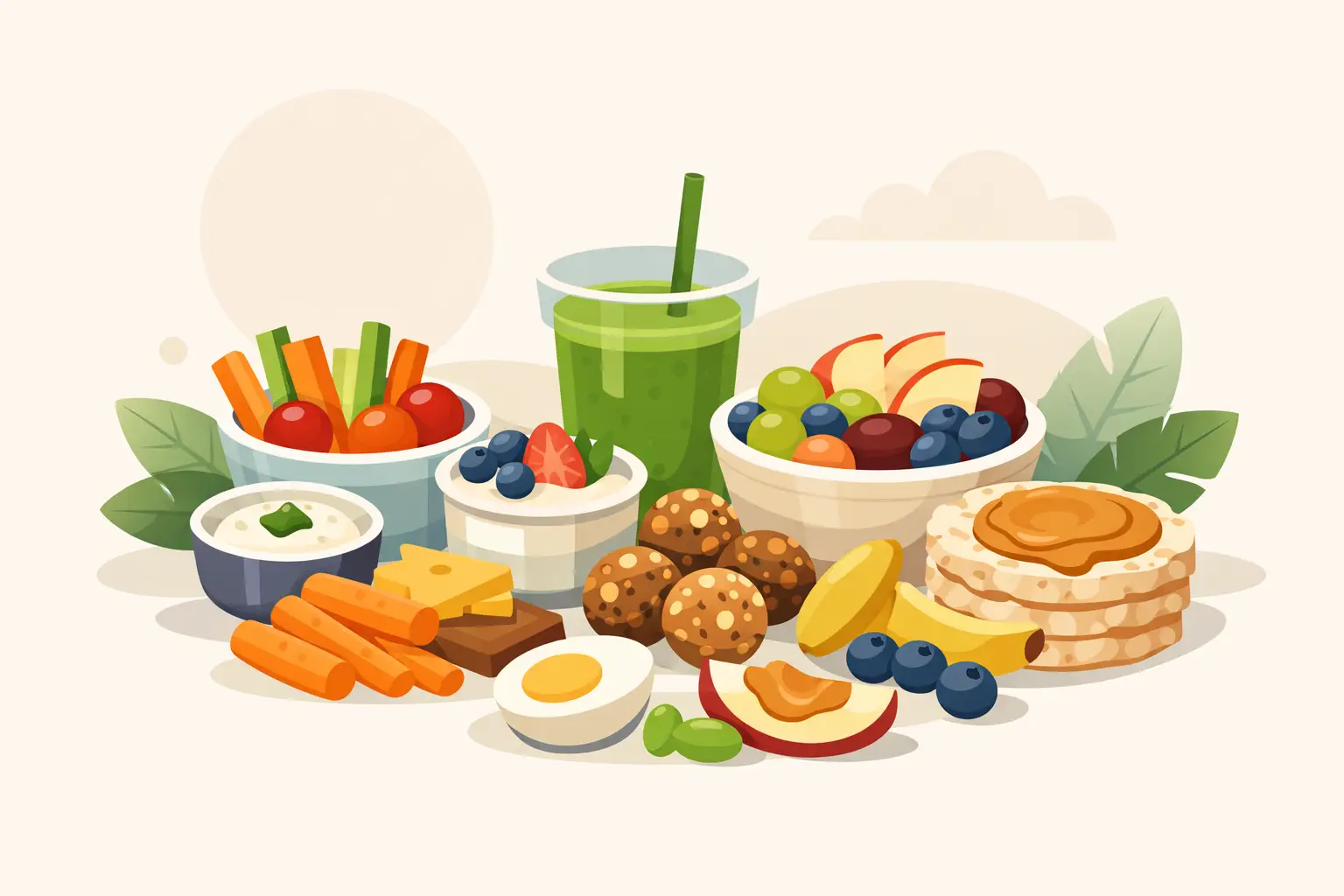
The snack request usually arrives at the least convenient moment: five minutes before school, midway through a long drive, or just as dinner needs to happen. Nutrient rich snacks for kids do not need to be complicated, expensive, or disguised as dessert. The best options pair familiar flavors with real nourishment - protein, fiber, healthy fats, and naturally occurring vitamins and minerals from whole foods.
For parents, the goal is not a picture-perfect lunchbox. It is helping kids stay satisfied, supported, and ready to play, learn, and grow. Start with foods they already enjoy, offer small portions, and repeat exposure without pressure. A snack does not have to do everything. It simply needs to add something meaningful to the day.
What Makes a Kids' Snack Nutrient Rich?
A banana is a good snack. A banana with nut or seed butter can be even more sustaining because it combines carbohydrate energy with fat and a little protein. Apple slices are great, too, but pairing them with cheese, yogurt, or sunflower seed butter may help keep hunger from returning 20 minutes later.
That is the simple formula: combine a produce item or whole-grain carbohydrate with protein, healthy fat, or both. It is a practical way to build snacks that taste good and provide more staying power than crackers or sweetened snack bars alone.
Protein supports growth and helps make snacks more filling. Fiber from fruit, vegetables, beans, oats, and whole grains supports healthy digestion. Healthy fats from avocado, seeds, nuts, dairy, and olive oil are also essential for growing bodies. No single food needs to carry the whole nutritional load. Variety across the week matters more.
12 Nutrient Rich Snacks for Kids to Keep on Repeat
1. Apple slices with seed butter
Crisp apple slices and sunflower seed butter are a reliable school-friendly pairing when nuts are not allowed. The apple brings fiber and natural sweetness, while the seed butter adds fat and protein. Sprinkle on hemp seeds for older kids who enjoy a little texture.
2. Greek yogurt with berries
Plain or lightly sweetened Greek yogurt offers protein, calcium, and a creamy base for fruit. Add blueberries, strawberries, or thawed frozen berries. If plain yogurt is a hard sell, start with a small swirl of mashed banana, cinnamon, or unsweetened applesauce rather than relying on heavily sweetened varieties.
3. Mini smoothie packs
A smoothie can be a smart snack when it includes more than fruit. Blend milk or fortified plant milk with berries, banana, yogurt, oats, and a spoonful of seed butter. Pre-portion ingredients into freezer bags so busy mornings only require blending.
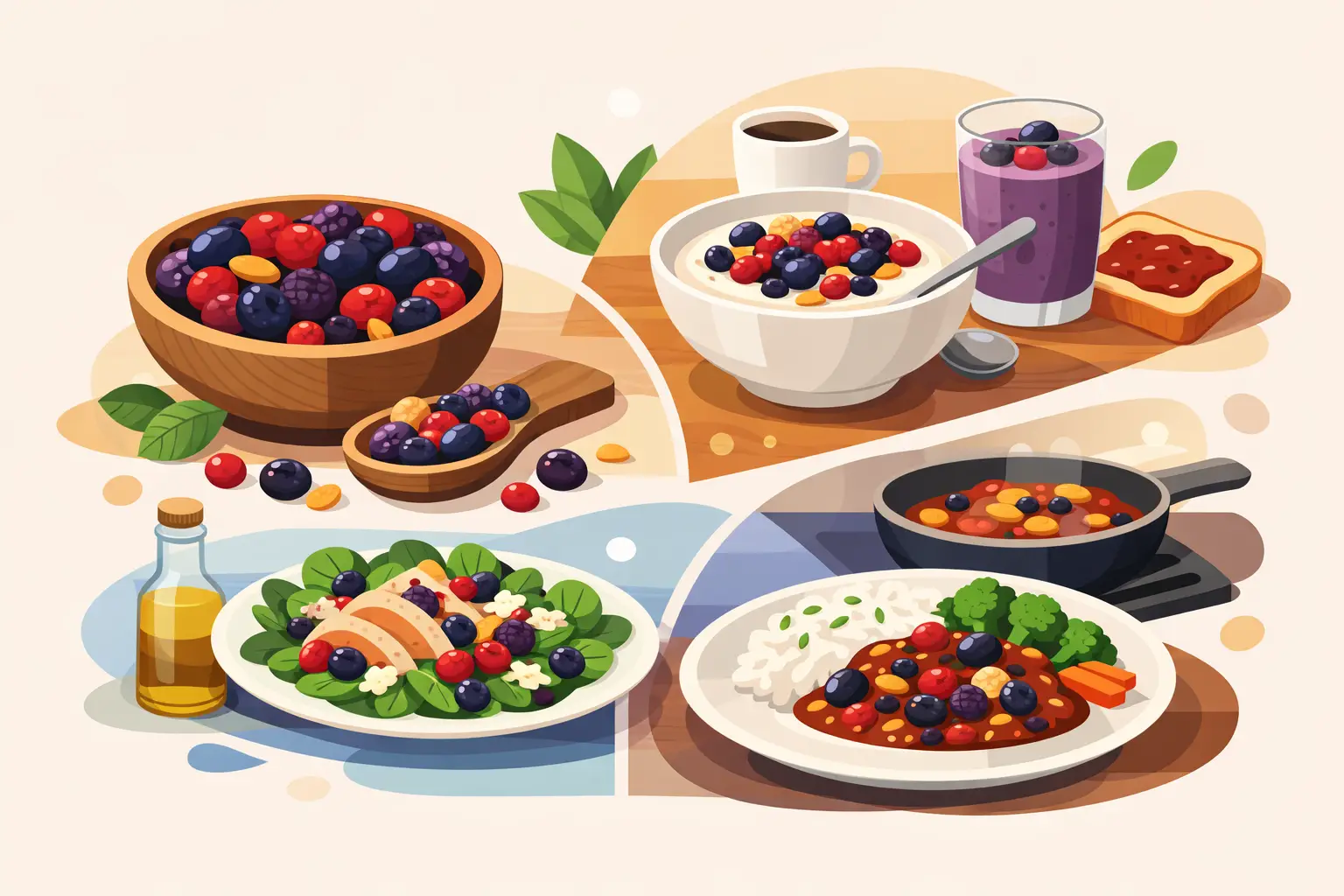
For a simple whole-food boost, a small amount of single-ingredient fruit or vegetable powder can add color and flavor to smoothies, oatmeal, or yogurt. Choose products with nothing to hide: no fillers, artificial colors, or long ingredient lists. Powders can complement real foods, but they should not replace the fruits and vegetables kids learn to recognize and enjoy.
4. Cheese, grapes, and whole-grain crackers
This snack feels like a tiny snack board, which can make it more appealing to kids. Cubed cheese provides protein and calcium, grapes add hydration and sweetness, and whole-grain crackers bring crunch. For younger children, cut grapes lengthwise into quarters to reduce choking risk.
5. Hummus with soft vegetables and pita
Hummus is made from chickpeas, a naturally fiber-rich source of plant protein. Serve it with soft-cooked carrot sticks, cucumber rounds, bell pepper strips, or whole-wheat pita triangles. Some children prefer plain hummus, while others love a mild roasted red pepper version. Let their taste buds lead.
6. Oatmeal energy bites
Mix rolled oats, seed or nut butter, mashed banana, and a few mini chocolate chips or raisins. Roll into small bites and refrigerate. These are easy to customize, but keep the texture age-appropriate and skip whole nuts for young children.
The trade-off is that energy bites can be calorie-dense. That is useful for active kids with bigger appetites, but one or two bites alongside fruit may be plenty for a younger child.
7. Hard-boiled eggs and fruit
Hard-boiled eggs are portable, budget-friendly, and naturally rich in protein. Pair one with orange segments, kiwi, or melon for a refreshing snack with vitamin C-rich fruit. If your child does not like hard-boiled eggs, try egg muffins made with finely chopped vegetables and cheese.
8. Avocado toast triangles
Mash ripe avocado onto whole-grain toast and cut it into small triangles. Add a squeeze of lemon for flavor, or top with a thin layer of scrambled egg. Avocado offers satisfying healthy fats, while whole-grain bread contributes fiber and carbohydrates for active afternoons.
9. Cottage cheese with peaches
Cottage cheese has a mild flavor and a useful dose of protein. Serve it with diced peaches, pineapple, or berries. Kids who are sensitive to texture may prefer it blended until smooth and used as a fruit dip.
10. Homemade trail mix for older kids
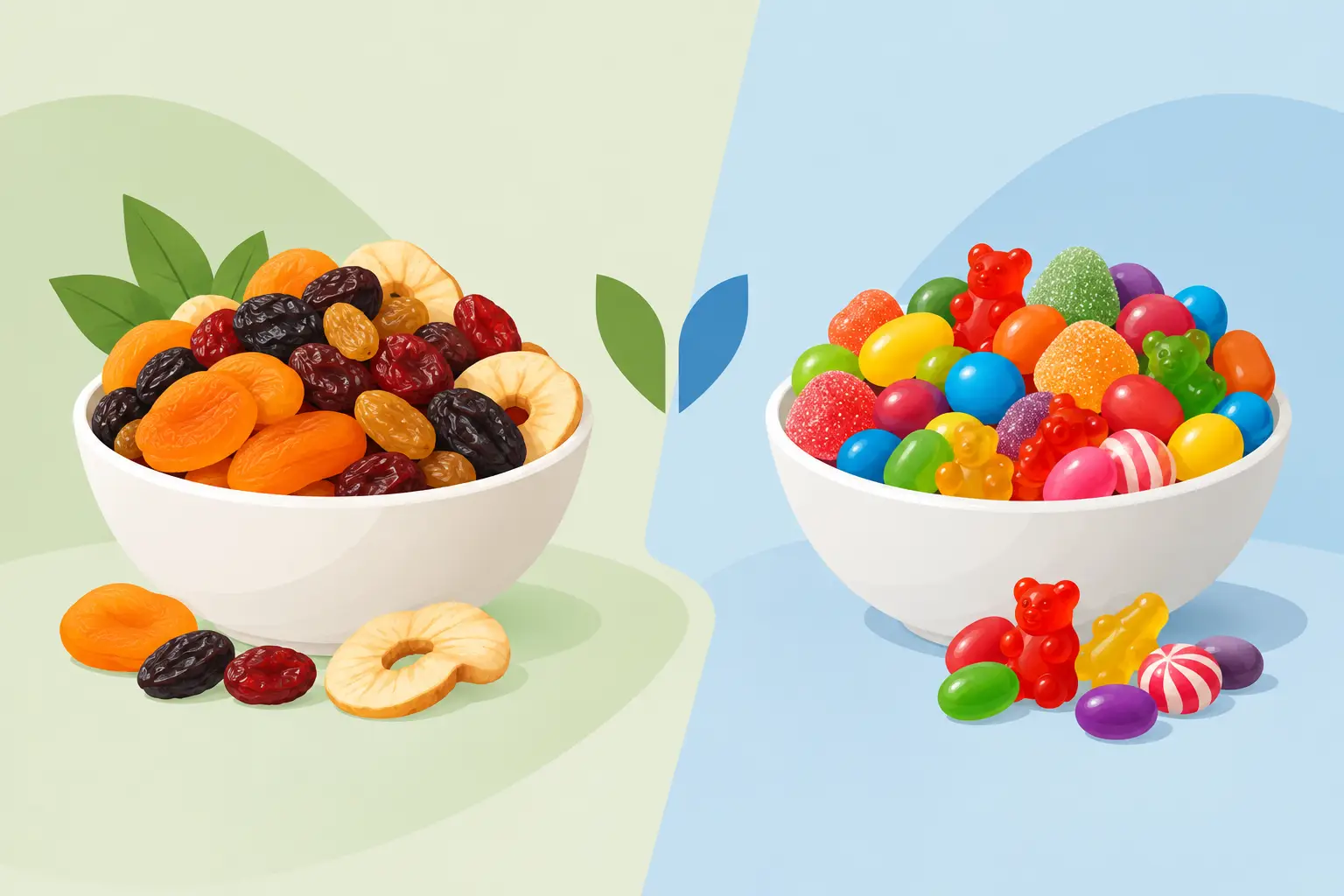
For children old enough to safely eat nuts and dried fruit, make a simple mix with unsalted nuts, pumpkin seeds, whole-grain cereal, and small pieces of dried fruit. Dried fruit is convenient and naturally sweet, but it is more concentrated than fresh fruit. A small handful is usually enough.
If your school is nut-free, use pumpkin seeds, sunflower seeds, toasted coconut chips, and cereal instead. Always check school policies before packing snacks.
11. Frozen yogurt bark
Spread Greek yogurt on a parchment-lined tray, then top with berries and crushed cereal or granola. Freeze, break into pieces, and store in the freezer. It feels like a treat but gives kids protein, calcium, and fruit at the same time.
For best results, keep portions small. Frozen bark melts quickly, so it is better for an after-school snack at home than a lunchbox that sits for hours.
12. Black bean quesadilla wedges
Mash black beans with shredded cheese inside a whole-wheat tortilla, then cook until warm and crisp. Cut into wedges and serve with salsa, avocado, or plain yogurt. Beans bring fiber and plant protein, while cheese adds calcium and satisfying flavor.
Make Healthy Snacking Easier, Not Stricter
The most successful snack routine is the one your family can actually maintain. Keep a few basics visible and ready to use: washed fruit, yogurt, cheese, hummus, hard-boiled eggs, whole-grain crackers, and seed butter. When nutritious choices are easy to grab, they become the default more often.
It also helps to involve kids in small decisions. Ask whether they want berries or apple slices, hummus or cheese, toast or pita. Choice builds familiarity without turning every snack into a negotiation. A child may not eat the vegetable today, but seeing it regularly beside a favorite food can make it less unfamiliar over time.
Avoid labeling foods as “good” or “bad.” Cookies, chips, and packaged treats can have a place in family life. The difference is frequency and context. A sweet snack can sit alongside yogurt or fruit, rather than becoming the only option available.
A Few Safety and Practical Notes
Match food texture and size to your child’s age and eating skills. Whole grapes, popcorn, whole nuts, hard raw vegetables, and thick spoonfuls of nut butter can be choking hazards for young children. Cut round foods appropriately, soften vegetables when needed, and stay nearby during snack time.
Food allergies, dietary restrictions, and medical needs also change the equation. Seed butter may be a better fit than peanut butter in a nut-free classroom, while dairy-free yogurt or fortified plant milk may work for families avoiding dairy. If your child has concerns about growth, feeding, allergies, or a highly limited diet, a pediatrician or registered dietitian can provide individualized guidance.
A well-fed child does not need a flawless menu. Keep offering simple whole foods, build satisfying pairings, and leave room for enjoyment. The small snacks packed and shared week after week can become one of the easiest ways to support overall well-being naturally.
Fuel Your Wellness with 100% Pure Plant Nutrition
Discover our pure, gently dehydrated fruit & vegetable powders, herbal blends, and whole-food snacks with zero added sugar or artificial fillers.